
أنت هنا
Universal health coverage in the era of COVID-19: Is it attainable in Africa?
Saturday, 12 December 2020 is United Nations’ Universal Health Coverage Day, the annual rallying point for affordable, quality healthcare for all.
We have just ten years left to reach a United Nations target that would see all individuals receive the health services they need without experiencing undue financial hardship. UN Member States agreed to the ambition of universal health coverage as part of the 2030 Sustainable Development Goals, a concept that also aligns with the African Development Bank’s High-5 priority to “Improve the Quality of Life for the People of Africa.”
But as we near Universal Health Coverage Day on 12 December, at least half of the world’s population still does not enjoy full access to health services, and over 800 million people spend at least 10% of their household budget to pay for health services, according to the World Health Organization. In Africa, health systems are only able to provide approximately one in three people with access to essential health services, WHO says.
The spread of COVID-19 has exposed areas of need and opportunity for the African Development Bank and its member countries to strengthen Africa’s health infrastructure. By November, the Bank’s Board had approved COVID-19 response programs of over $4 billion, designed to provide the needed liquidity to African countries while supporting policy measures to strengthen health systems, enhance economic resilience, protect jobs and strengthen social protection systems.
Within the health sector, the Bank has committed approximately $5.7 billion since 1975, with $3.7 billion in direct bank financing and $2 billion leveraged from other sources, including public-private facilities. Among the Bank’s projects addressing universal health coverage, I am particularly impressed with the on-going Building Capacity for Inclusive Service Delivery (BCISD) in Sudan, where the government-supported project is improving primary healthcare facilities in selected underserved communities in order to reduce the risk of people being pushed into extreme poverty. This is exactly what universal health coverage is about.
 |
 |
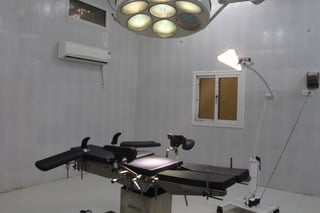 |
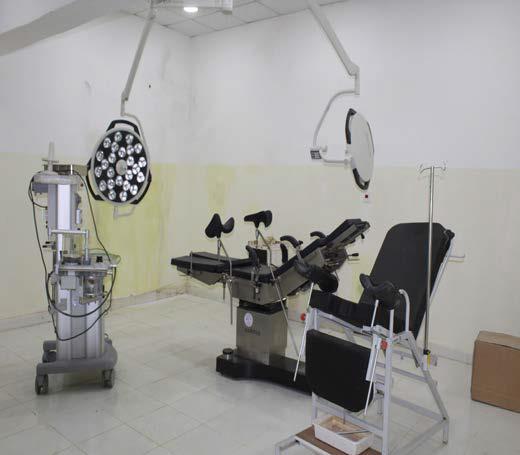
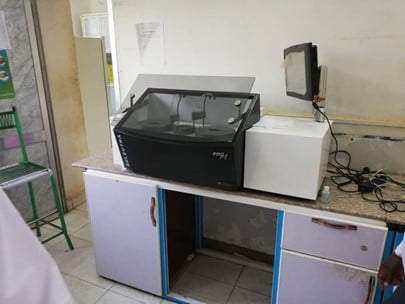
| Caption: Bank-supported project in Sudan is providing antenatal, delivery and postnatal services to vulnerable communities. | ||
The Government of Sudan’s work with BCISD in the North Kordofan and White Nile States focuses on antenatal, delivery and post-natal obstetric services, as well as generally improving maternal, child and reproductive health services, including immunizations.
Improving Infrastructure
One component of the Bank’s interventions aims to improve rural health center capacity to better meet community health needs. At the beginning of the project, only 19% of primary healthcare facilities in the target states provided essential services. The project emphasized renovation of health facility infrastructure – providing operating theater, laboratory and blood bank equipment, as well as e-learning and e-health tools to improve access and quality of health service delivery to rural poor and vulnerable populations.
The project has rehabilitated and equipped 14 out of 54 health facilities to date, in Sudan’s North Kordofan and White Nile States. Look at these “before” and “after” pictures of just a few of them.
| Um Alghora Health Center before construction. | Um Alghora Health Center after construction. |
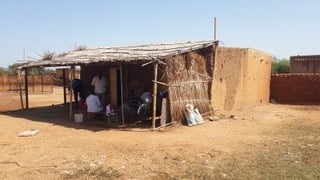 |
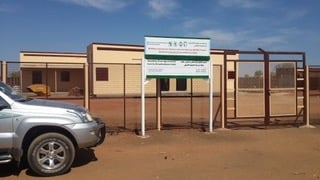 |
| Alsaffa Alahamda Health Center before construction. | Alsaffa Alahamda Health Center after construction. |
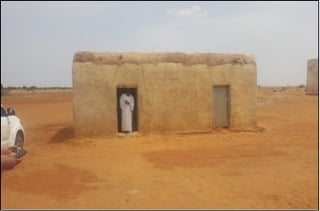 |
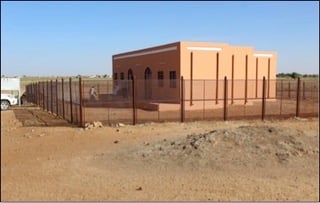 |
The project supplied six generators to major hospitals in both states to improve power supply, and delivered six ambulances for evacuations and referrals from far-flung villages to the main state hospitals. The ambulatory care may have already saved one White Nile State resident from being permanently disfigured, or worse.
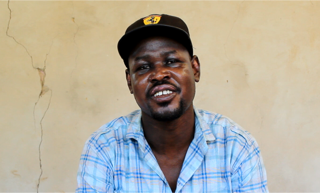
Alaa’ Eldin Awad Husain is an electrical engineer who suffered a severe electric shock while on the job. Injuries to his hands and face were so bad that his local clinic was unable to treat him. Husain told us that the project’s community ambulances took him to a burn center in Khartoum – the ambulance came quickly and had a professional driver. This story illustrates that access to people-centered care can go a long way to improve well-being and quality of life.

Training, support and results
Human resources for health are also crucial to better healthcare. Through BCISD, we are helping to ensure a more even distribution of a skilled and motivated health workforce. That means providing health worker training and improved work environments. BCISD is also providing training support and technical assistance to health academies.
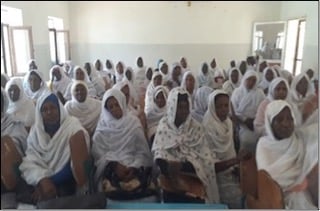
As a result of these interventions, three health centers in the two states are serving almost 70,500 families from 17 villages. More than 560 health workers completed health academy training. Some 34,350 families are now enrolled under the National Health Insurance Fund and already accessing health services.
In an area where more than two thirds of people had no contingencies to pay for unexpected healthcare, the BCISD example shows that small-scale health projects in rural areas can improve health outcomes, boost productivity and insure poor people against financial shocks. The African Development Bank will continue to play a pivotal role in the development of quality health service delivery infrastructure, using its distinctive strengths to realize impactful projects that accelerate the achievement of universal health coverage in Africa.
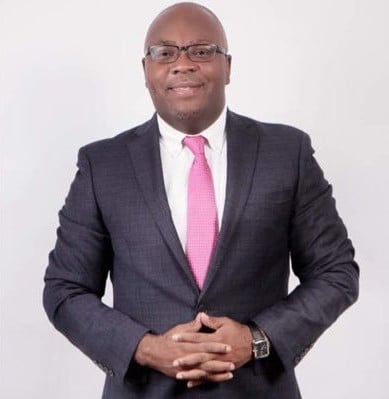
Dr. Babatunde Omilola is Manager of the Public Health, Security and Social Protection Division of the African Development Bank. He is currently managing the Bank’s multi-billion-dollar response to the COVID-19 pandemic in Africa.