
You are here
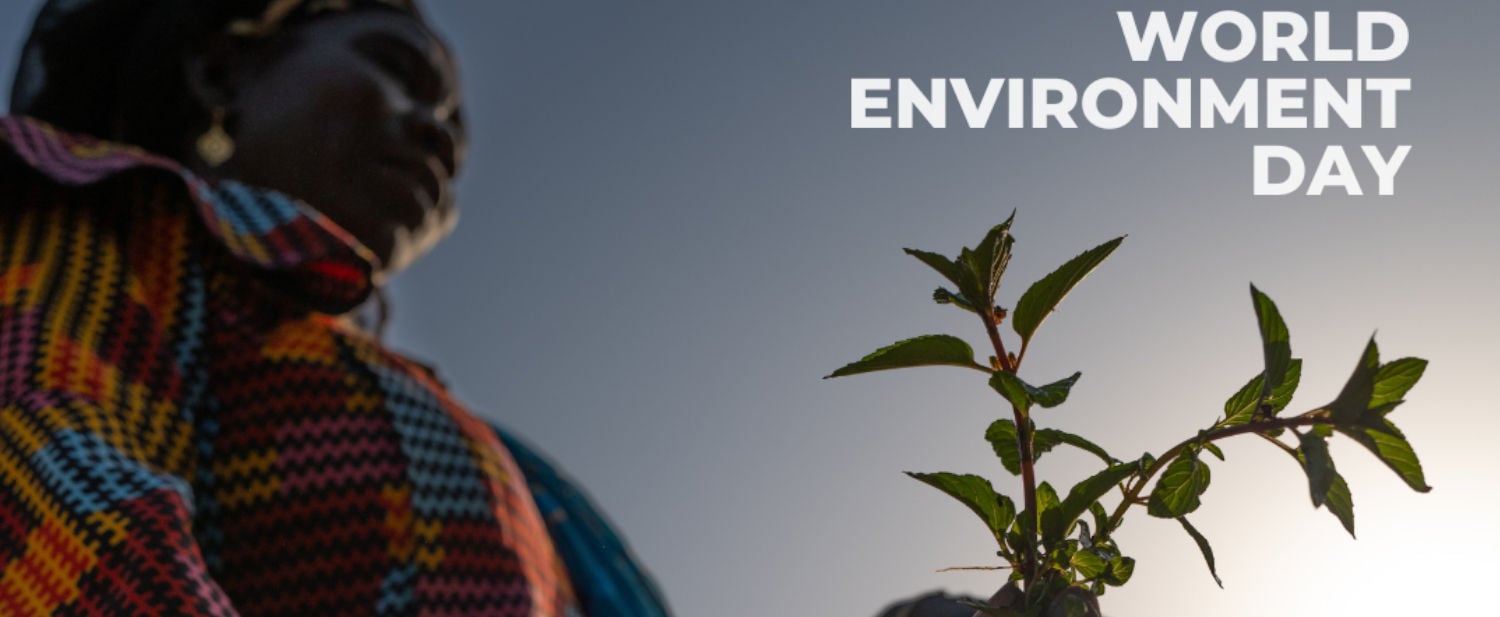
World Environment Day: Ecosystem Restoration as an opportunity to address climate change, biodiversity loss and desertification in Africa
By Al-Hamndou Dorsouma
For five decades, every June 5th, people around the world have come together to celebrate World Environment Day (WED) and to raise awareness and drive action on urgent environmental issues.
Last year, as Cote d'Ivoire hosted the celebrations, in partnership with the Netherlands, the African Development Bank, based in Abidjan, lent its support to Côte d'Ivoire to commemorate World Environment Day.
Today, as we reflect on the 2024 theme, "Ecosystem Restoration", it is crucial to remember why addressing climate change, biodiversity loss and desertification while protecting our planet are so important. Ecosystem restoration and climate change are deeply interconnected; ecosystems play a vital role in regulating the Earth's climate; and climate change, in turn, significantly impacts the health and functioning of ecosystems.
Currently, between 765 million and 1 billion hectares are earmarked for ecosystem restoration. Almost half of this will take place in sub-Saharan Africa, which holds a significant share of global renewable and non-renewable natural resources. Africa’s natural capital accounts for between 30% and 50% of total wealth and over 70% of people in sub-Saharan Africa depend on forests and woodlands for their livelihoods. Further, Africa's economies are heavily reliant on natural resource exploitation, with a significant share of these resources used unsustainably. Others are squandered through illegal trade, leading to significant environmental degradation, deforestation, desertification, land degradation, soil erosion, loss of biodiversity, water scarcity, over exploitation and depletion of the continent's natural capital.
Climate change has emerged as a pressing challenge for ecosystem restoration in Africa, with far-reaching consequences for its ecological, economic, and social systems, including jeopardising achievement of the Sustainable Development Goals by 2030. SDG targets in peril include those on climate change, poverty eradication, food security, water and biodiversity conservation.
The Earth is in danger, and if we do not take immediate and decisive action, the effects will be dire. The UN Decade on Ecosystem Restoration 2021-2030 calls for an urgent, rapid and collective action to prevent, halt and reverse the degradation of ecosystems worldwide. It presents us with a great opportunity and political momentum to harness the potential of restoration in our efforts to address climate change and achieve the sustainability agenda.
The African Development Bank continues to play a significant role in supporting ecosystem restoration, climate action and environmental protection across the African continent through policies and investments that sustain Africa's natural capital assets. The Bank has recently elaborated and adopted ambitious strategies, including a natural resources management and investment strategy implemented by its African Natural Resources Management and Investment Center, as well as a Strategic Framework on Climate Change and Green Growth. Through implementation of a wide range of projects, the Bank has significantly invested in sustainable forestry and climate-smart land- and water-management practices, as well as promoting renewable energy, and much more.
For example, in Morocco, the Bank has long supported the country to become a green economy through investing in the Green Morocco Plan, which focuses on agricultural water management, and which has led to the introduction of modern irrigation infrastructure, efficient water waste management, use of treated wastewater in agriculture, roll-out of solar-powered pumping in irrigation and encouraging young green agripreneurs. In Central Africa, the Bank has successfully implemented important multinational programs on ecosystem restoration such as the Programme for the Conservation of Ecosystems in the Congo Basin, the Lake Chad Basin Sustainable Development Programme, and the Congo Basin Forest Fund, among others.
In West Africa and the Sahel, the Bank is spearheading the implementation of critical ecosystem restoration and climate programs such as the Great Green Wall Initiative, with a financing commitment of about $6.5 billion from the Bank, which will contribute to restoring 100 million hectares of land, sequestering 250 million tons of carbon and creating 10 million jobs, while providing food and water security for humans, habitat for wild plants and animals, and addressing drought and poverty by 2030. In East Africa, the Bank has recently expanded its Drought Resilience and Sustainable Livelihoods Program to launch the multinational “Building Resilience for Food and Nutrition Security in the Horn of Africa” initiative to increase agricultural production by up 30% and enable 450,000 pastoralists and farmers to use digital advisory services, among other targets.
In Southern Africa, the Programme for Integrated Development and Adaptation to Climate Change in the Zambezi River Basin (PIDACC Zambezi) is currently being implemented to improve the management of the shared waters of the Zambezi River for security and sustainability. The program focuses on infrastructure development, livelihood support, environmental protection, and water resources management while building climate resilience in eight countries: Angola, Botswana, Malawi, Mozambique, Namibia, Tanzania, Zambia, and Zimbabwe.
Still, we cannot afford to rest on our laurels; instead, we must redouble our efforts to address the urgent environmental challenges of our time.
As recognised by the UN Secretary General and the latest Sixth Assessment Report (AR6) of the Intergovernmental Panel on Climate Change (IPCC), the Bank plays a leading role in climate adaptation finance, promoting agricultural diversification, agroecological practices, and agroforestry to improve food system resilience.
As we celebrate World Environment Day in 2024, three major Conferences of Parties (COPs) will take place on the most important multilateral environmental agreements: Climate Change (COP29); Biological Diversity (COP16); and Desertification/Land Degradation (COP16) will also take place. Let us prioritise collective and coordinated action to protect our planet. Let us recall past initiatives and draw inspiration from the progress made to tackle the challenges that lie ahead. And let us recommit ourselves to the urgent task of building a more sustainable and resilient future for all, as set out in the 2030 UN Decade on Ecosystem Restoration, the UN Sustainable Development Agenda, the Paris Agreement and Kunming-Montreal Global Biodiversity Framework.
#GenerationRestoration
