
You are here
African Development Bank Group Advances Partnerships for Carbon Support Facility
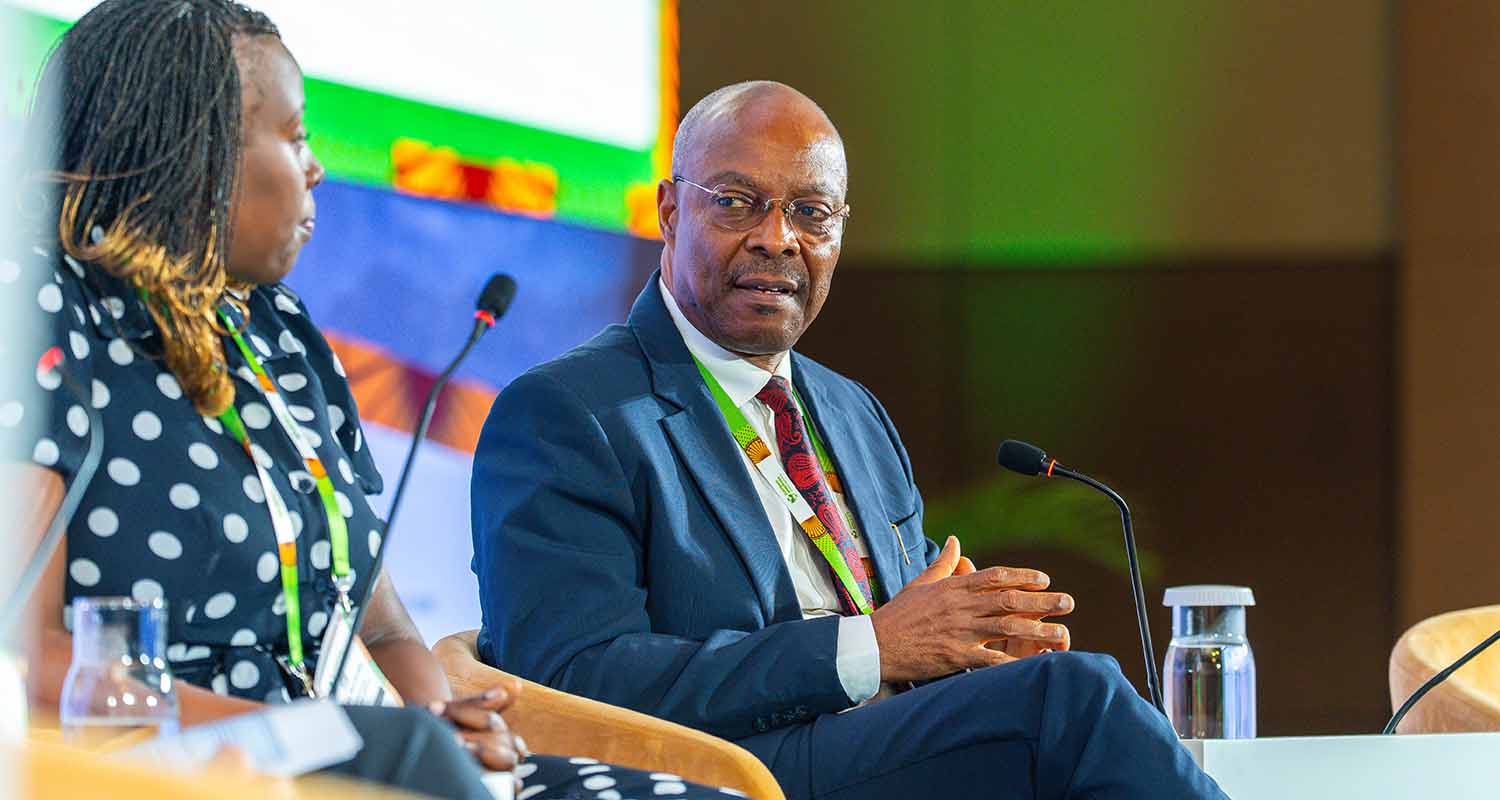
At the Carbon Markets Africa Summit 2026 in Kigali, the African Development Bank Group called for stronger partnerships and credible, investible market systems to turn Africa’s vast carbon market potential into lasting economic and development benefits.
Africa holds some of the world’s richest natural carbon assets, from the Congo Basin’s rainforests and peatlands to vast mangroves, savannahs and other landscapes. As international carbon markets expand, these resources offer significant opportunities to mobilise climate finance while supporting the continent’s development priorities. Yet much of this potential remains untapped. The Africa Carbon Markets Initiative estimates that the continent could generate up to 2.4 billion carbon credits annually by 2030. Despite this comparative advantage, current estimates indicate that Africa has monetised less than 2% of its overall carbon potential.
For a continent facing an annual climate financing gap of more than US$213 billion through 2030, as highlighted in the African Development Bank Group’s 2026 Annual Development Effectiveness Review, and with private capital accounting for only 18% of Africa’s climate finance flows, carbon markets offer an additional opportunity to attract investment into national climate and development priorities. Africa’s challenge, therefore, is to translate its potential into investment. This calls for credible market systems, stronger institutions and projects that can attract capital while delivering measurable benefits for African economies and communities.
These priorities took centre stage at the second Carbon Markets Africa Summit (CMAS 2026), held in Kigali from 13 to 15 October. Hosted by the Government of Rwanda through its Ministry of Environment, with the African Development Bank Group and United Nations Development Programme as host organisations, the Summit brought together more than 600 participants from 47 countries, including policymakers, investors, development financiers, project developers and carbon credit buyers.
 Discussions focused on moving beyond market readiness towards investment, transactions and tangible results.
From carbon potential to development investment
“We don’t have carbon projects. We have development projects.”
This message from Professor Anthony Nyong, Director of Climate Change and Green Growth at the African Development Bank, captured the Bank’s approach during the high-level keynote discussion, Capital and Deal Flow: What is Already Moving. Prof. Nyong highlighted the progress African countries are making in developing carbon market frameworks, strengthening institutions and advancing Article 6 cooperation. However, regulatory uncertainty, limited project preparation capacity, financing constraints and gaps in market infrastructure continue to hinder investment.
He emphasised the catalytic role of development finance institutions in addressing these barriers through technical assistance, project preparation, appropriate financing instruments and stronger partnerships with private capital. For the Bank, carbon finance offers an additional means of financing development priorities, from clean energy and sustainable agriculture to ecosystem restoration and improved livelihoods, while delivering credible climate outcomes.
The Bank is advancing this approach through the AfDB Carbon Program, which brings together two complementary pillars. The Africa Carbon Support Facility, a proposed US$100 million trust fund, is being developed to support project preparation, investment pipeline development and capital mobilisation. Complementing the Facility, Africa Carbon Ecosystem Support focuses on strengthening the broader market ecosystem through policy and regulatory support, Article 6 readiness, institutional capacity development, knowledge generation and market infrastructure. The Program builds on the Bank’s commitment to support African countries in mobilising additional climate finance while strengthening country ownership, environmental integrity and alignment with national development priorities.
Building partnerships to unlock investment
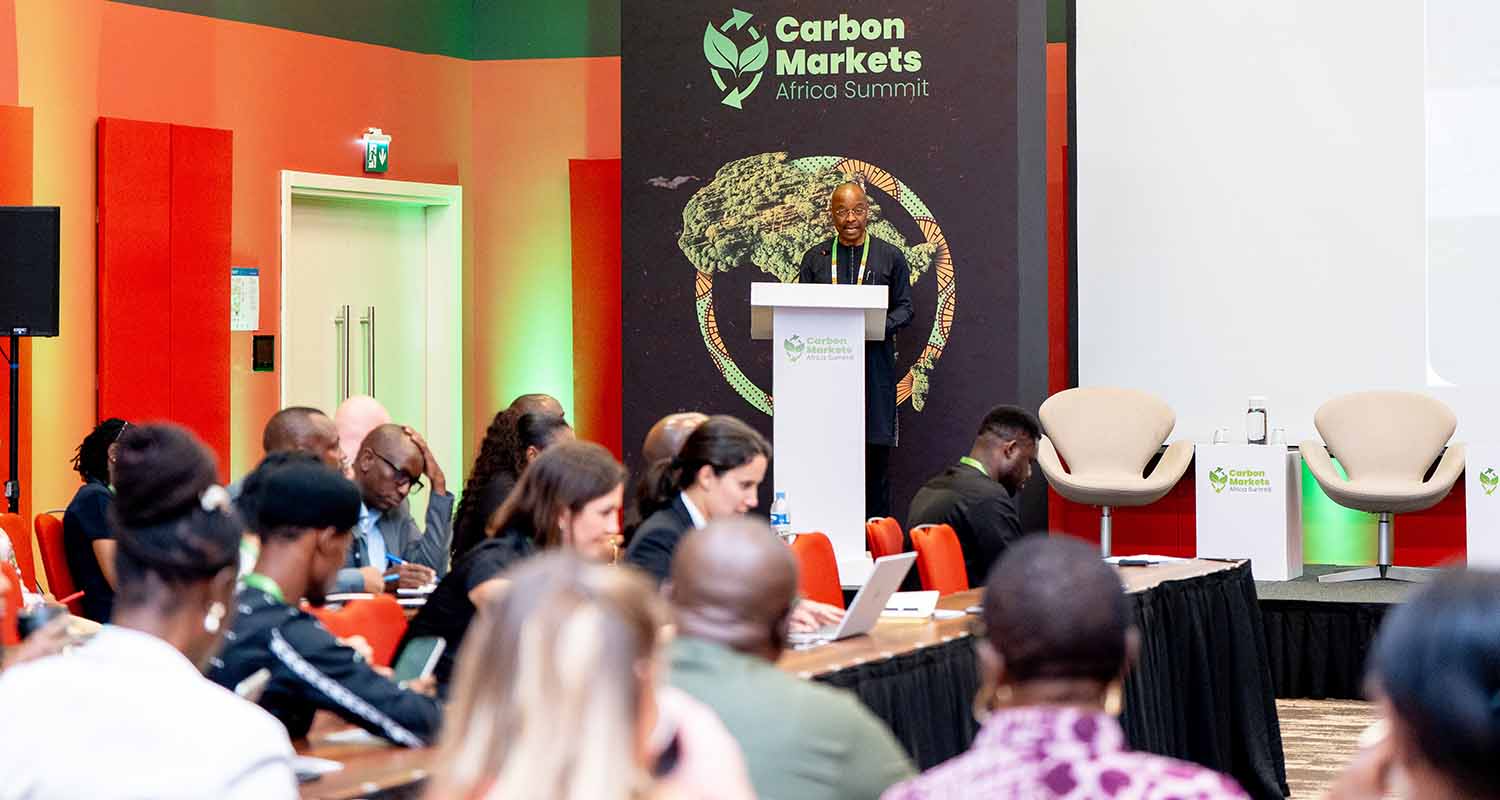 Prof. Anthony Nyong delivering opening remarks during AfDB's senior-level roundtable: From potential to investment held at the margins of CMAS 2026
Recognising the importance of partnerships in addressing the interconnected challenges facing African carbon markets, the Bank convened a senior-level roundtable, From Potential to Investment: Supporting Credible, Investment-Ready Carbon Markets in Africa. The roundtable brought together policymakers, development finance institutions, investors, buyers and technical partners to explore opportunities for strengthening carbon market readiness and accelerating investment.
Opening the discussion, Prof. Nyong underscored the value of collaboration among the different actors involved in carbon market development, highlighting the need to connect policy, technical expertise, project preparation and capital to unlock Africa’s carbon market opportunities.
The Bank presented the progress and strategic priorities of the AfDB Carbon Program, which is its integrated approach to supporting credible and investment-ready carbon markets across Africa. The session also featured a presentation on the emerging framework of the Article 6 Evidence Study, being developed in partnership with the GSM Association Foundation and FSD Africa. The study seeks to strengthen the evidence base on country readiness, identify regulatory and institutional gaps, and support better-targeted technical assistance and capacity development across African countries.
The Bank also contributed to technical discussions across the Summit on attracting carbon market investment while safeguarding national climate commitments, underscoring the value of credible frameworks, strong institutions and viable project pipelines.
Credible. Investible. African.
The discussions in Kigali reflected the growing momentum behind Africa’s carbon markets and a shared recognition that realising their full potential calls for sustained efforts to strengthen market readiness, mobilise investment and build credible partnerships.
For the Bank Group, the next phase will focus on advancing the operationalisation of a dedicated carbon facility, deepening engagement with African governments, and strengthening strategic partnerships under the African Development Bank Group Carbon Program.
As African countries seek a greater share of international carbon finance, the Bank’s priority remains credible markets that attract investment and translate carbon revenues into lasting economic and development opportunities for the continent and its communities. Governments, investors, buyers and development partners are invited to join that effort through the AfDB Carbon Program.
For enquiries, contact:
Dr Olufunso Somorin
Regional Principal Officer,
African Development Bank Group
[email protected]