
You are here
COP31: Why inclusive climate action is essential for Africa’s socio-economic development
The ongoing Climate Change Conference of the parties meeting (COP31) in Antalya, Türkiye
has once again put climate finance and implementation at the heart of the global conversation. For Africa, however, the challenge is also to ensure that finance translates into tangible improvements in people’s lives.
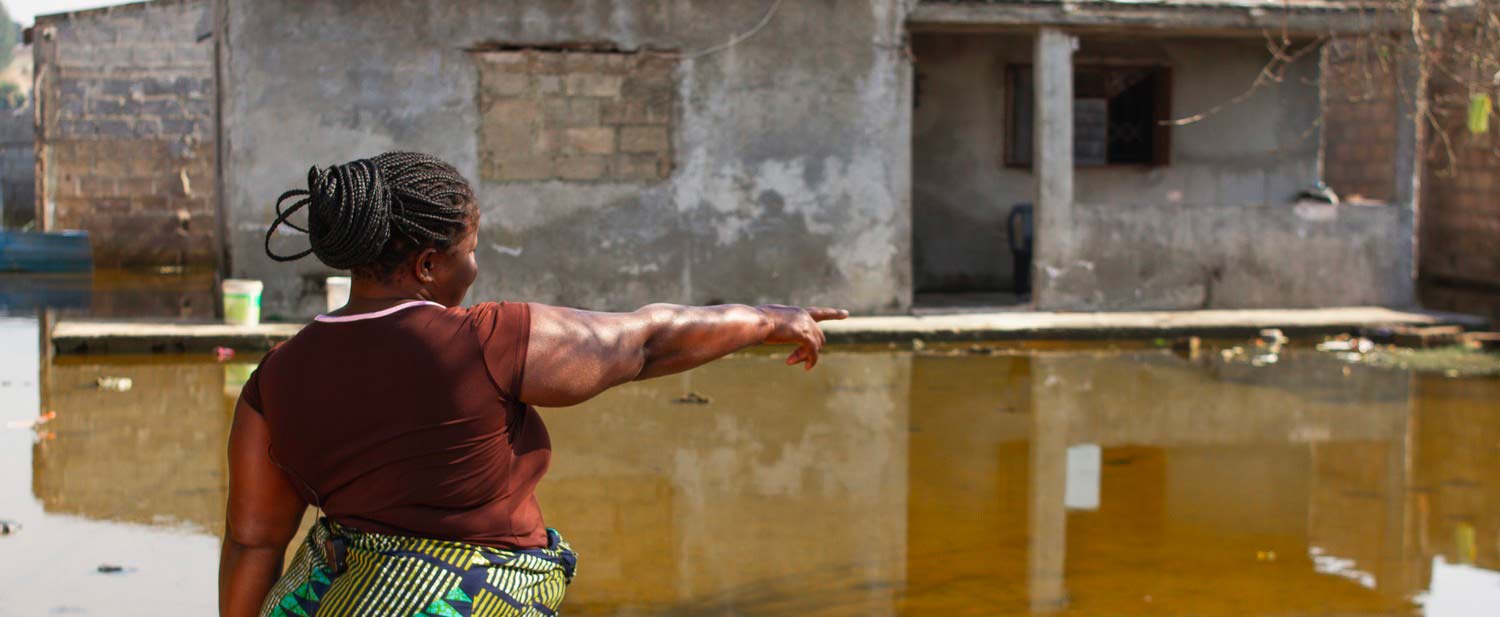
I have been working in climate finance for several years. One might think that the success of climate-related projects depends above all on the volume of funding available or the technical quality of an intervention. But once you’ve experienced the rainy season in a working-class neighbourhood of Abidjan or Dar es Salaam, you realise otherwise.
Water can rise faster than residents can anticipate; open drains overflow within minutes, turning the alleyway outside homes into a small, muddy torrent. People live with damp, disruption and anxiety.
In this context, a climate shock means lost working days and income, unexpected expenses and compromised harvests. These shocks exacerbate existing inequalities and hit hardest those with the fewest resources to cope, particularly women and female-headed households.
Thus, climate projects can deliver lasting results only if they factor in people’s economic and social realities.
The African Development Bank Group’s Four Cardinal Points strategic compass represents complementary levers for accelerating Africa’s development and underscores that climate action that genuinely benefits people is also more effective.
According to the World Meteorological Organization’s State of the Climate in Africa 2024 report, African countries lose on average between two and five per cent of GDP annually because of climate-related hazards. Further, some countries devote nearly one tenth of national budgets to tackling them.
Through my work on climate projects across Africa, I have seen that those delivering the most sustainable results are not necessarily those that attract the most funding, but those that address climate, economic and social challenges at once.
This blog explores how the first Cardinal Point can contribute to inclusive climate action as a genuine driver of Africa’s socio-economic development.
Improving access to capital
“I’m not short of customers. I’m simply short of a bank that trusts me.”
I have heard variations of this sentiment many times. Across Africa, small and medium-sized enterprises, particularly those run by women, have the skills, ideas and markets to grow but continue to face a fundamental obstacle: access to finance.
Mobilising more capital is essential. But capital creates development impact only when it reaches people and businesses capable of turning it into investment, jobs and economic opportunity.
This is particularly important for inclusive climate action. Entrepreneurs working in agriculture, clean energy, sustainable transport, the circular economy or nature-based businesses cannot contribute fully to Africa’s transition if financing remains beyond their reach.
The African Development Bank’s Affirmative Finance Action for Women in Africa, or AFAWA, models a more inclusive approach. AFAWA seeks to address the barriers to women entrepreneurs, including through risk-sharing, capacity building and support for financial institutions to develop products better tailored to women-led businesses.

Take Pauline Otila, founder of Apiculture Ventures in Kenya. With AFAWA support, she has tripled her company’s turnover and expanded her supplier network from 1,200 to more than 10,700 beekeepers.
The benefits go beyond her company, which relies directly on ecosystems that it also helps sustain. Bees pollinate surrounding crops, so supporting beekeepers can also contribute to agricultural production and stronger local food systems.
One investment can therefore generate several dividends at once: business growth, livelihoods, stronger food systems and greater environmental resilience.
This matters because Africa’s financing gap for women-led businesses is estimated at nearly $42 billion.

The lesson is broader than any single programme. Access to capital is not simply about raising more money. It is about designing financial systems that enable capital to reach entrepreneurs, communities and businesses that can put it to productive use.
For climate action, that distinction is critical. If finance does not reach people who are already building resilient businesses and livelihoods, we risk mobilising impressive sums without achieving equally impressive change on the ground.
And it is only the first step. Even when capital is available, another question follows: are our financial systems designed so that those who need it can actually access it?
COP31 runs from 9-20 of November in Antalya. Click here to learn more about the African Development Bank’s participation.
Camille Quénard, a consultant with the African Development Bank Group, works at the intersection of gender equality, social inclusion and climate action.