
You are here
Africa Industrialisation Day: Four priorities for a resilient fertiliser industry
By Marie Claire Kalihangabo and Thomas Viot
On Africa Industrialisation Day, the African Development Bank Group reaffirms its commitment to strengthening Africa’s fertiliser industry. The aim is to produce more of the fertiliser African farmers need, reduce reliance on imports and help the continent feed itself.
Africa produced more than 14 million tonnes of fertiliser nutrients in 2023 and exported the equivalent of nearly 90% of that output. Yet across East, West, Central and Southern Africa, around 80% of the fertiliser used is imported. Farmers in these regions apply an average of just 20 kg of fertiliser nutrients per hectare, compared with the global average of 116 kg.
This remains well below the ambition African leaders set in 2006, when they adopted the Abuja Declaration on Fertiliser for the African Green Revolution. They pledged to increase fertiliser use from 8 kg to at least 50 kg of nutrients per hectare by 2015. Two decades on, that target has yet to be reached.
In our work on industrial development and fertiliser financing, we see how production, credit and distribution shape what farmers pay and when supplies reach them.
Disruptions to fertiliser imports can raise prices and delay deliveries. In August 2026, the Bank Group and other multilateral development banks called for stronger fertiliser supply chains to reduce these risks. In September 2026, the Bank Group approved the Global Energy and Fertilizer Crisis Response Framework, with up to USD 5.1 billion to enable African countries to manage rising prices and safeguard food, energy and fertiliser supplies. We see four priorities for a stronger industry:
1 - Build competitive industrial ecosystems around fertiliser production
Many African countries have small fertiliser markets. A large factory producing urea, a widely used nitrogen fertiliser, can have the capacity to make more than 1 million tonnes of the product each year. For many countries, domestic sales alone may not be enough to support a factory of this size. Africa therefore needs a more connected regional fertiliser industry. Factories serving several countries can reach more customers and produce fertiliser at a lower cost per tonne. Blending facilities can mix fertilisers to suit local crops and soils. Today, production and exports are concentrated in Algeria, Egypt, Morocco, Nigeria and Tunisia, while more than 40 African countries import more fertiliser than they export.
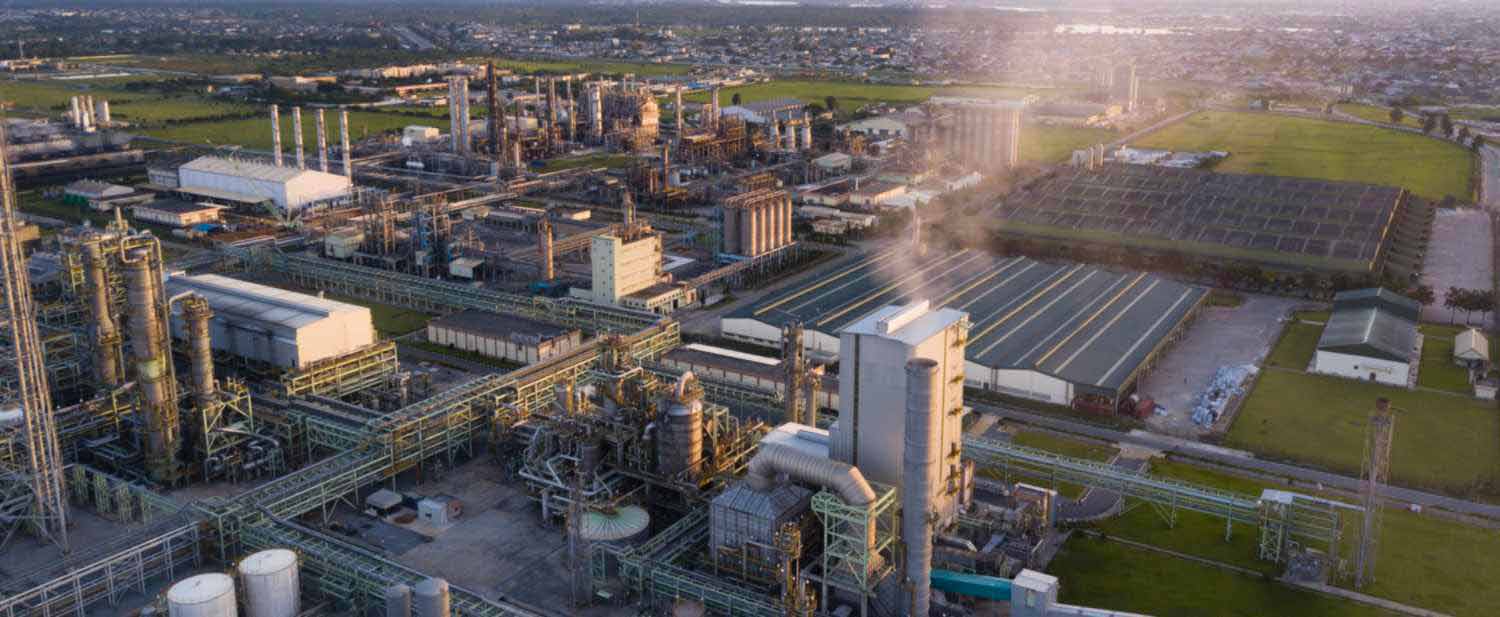
Investment is already expanding Africa’s fertiliser production. In Nigeria, fertiliser producer Indorama added a third urea production line at its Port Harcourt complex in 2026. This increased its annual production capacity by about 1.4 million tonnes, bringing the total to approximately 4.2 million tonnes. Reliable gas supplies and infrastructure to transport and export fertiliser have helped make this expansion possible.
Morocco offers another example. The African Development Bank has supported the expansion of OCP Group, a Moroccan phosphate and fertiliser producer, with a USD 250 million loan in 2011 and a further USD 200 million in 2018 for its Jorf Lasfar fertiliser complex. In 2024, the Bank signed a further USD 150 million loan agreement, alongside additional climate financing, to help OCP Group secure water for fertiliser production. The investment supports plants that remove salt from seawater, helping reduce the company’s dependence on scarce freshwater resources.
Africa also has opportunities to develop new sources of fertiliser. The continent holds large deposits of potash, which supplies the potassium crops need, with commercial production still to be developed. It can also make better use of existing factories and blending facilities. Connecting these facilities to larger regional markets could help them reach more farmers and create opportunities for local businesses that transport, sell and mix fertilisers, and advise farmers on their use.
2 - Share risk to attract private investment
In our view, sharing financial risk can encourage banks and investors to support businesses at every stage of the fertiliser industry, from building factories to stocking local shops before planting.
The Bank has supported Indorama’s growth since 2013. In March 2024, the Bank signed a USD 75 million loan agreement for the company’s third production line and a new export terminal. This formed part of a USD 1.25 billion package arranged by the International Finance Corporation, a World Bank Group institution that supports private businesses. The package brought together development finance institutions and commercial banks to finance the expansion.
Guarantees can also encourage lending by covering part of the risk that a borrower will not repay. In December 2025, the Bank approved a partial credit guarantee of up to EUR 450 million to help OCP raise up to EUR 530 million under its 2023–2030 green investment programme. The financing is intended to support cleaner fertiliser production, renewable energy and more sustainable water use.
The same principle applies to fertiliser distribution. Guarantees give lenders and suppliers greater confidence to extend credit, allowing distributors and local shops selling fertiliser and other farm supplies to stock fertiliser before planting. Between 2018 and 2025, the Africa Fertilizer Financing Mechanism (AFFM), administered by the Bank Group, provided USD 19.1 million in guarantees that helped generate USD 91.48 million in fertiliser sales. Over that period, AFFM-supported projects enabled the distribution of 166,357 tonnes of fertiliser to more than 1.14 million farmers.
3 - Build efficient regional supply chains
Credit helps distributors stock fertiliser. The next challenge is getting it to farmers on time and at an affordable price. The Bank estimates that transport alone can account for 30-60% of the price farmers pay. Port delays and limited storage can add further costs and delay deliveries.
Blending, bagging and storing fertiliser closer to farmers can shorten delivery times and give them a wider choice of products. Better road and rail links, clear and consistent border procedures, and shared quality standards can make it easier to trade fertiliser across borders. This would help producers reach more farmers and give buyers alternative suppliers and delivery routes when supplies are disrupted.
4 - Keep farmers and soils at the centre
Getting fertiliser to farmers on time matters most when the product suits their soils and crops. An estimated 65% of Africa’s productive land is degraded, which can limit the benefits farmers gain from fertiliser. Soil testing, training and practical advice help farmers choose the right fertiliser products and apply them in the right amounts and at the right time.
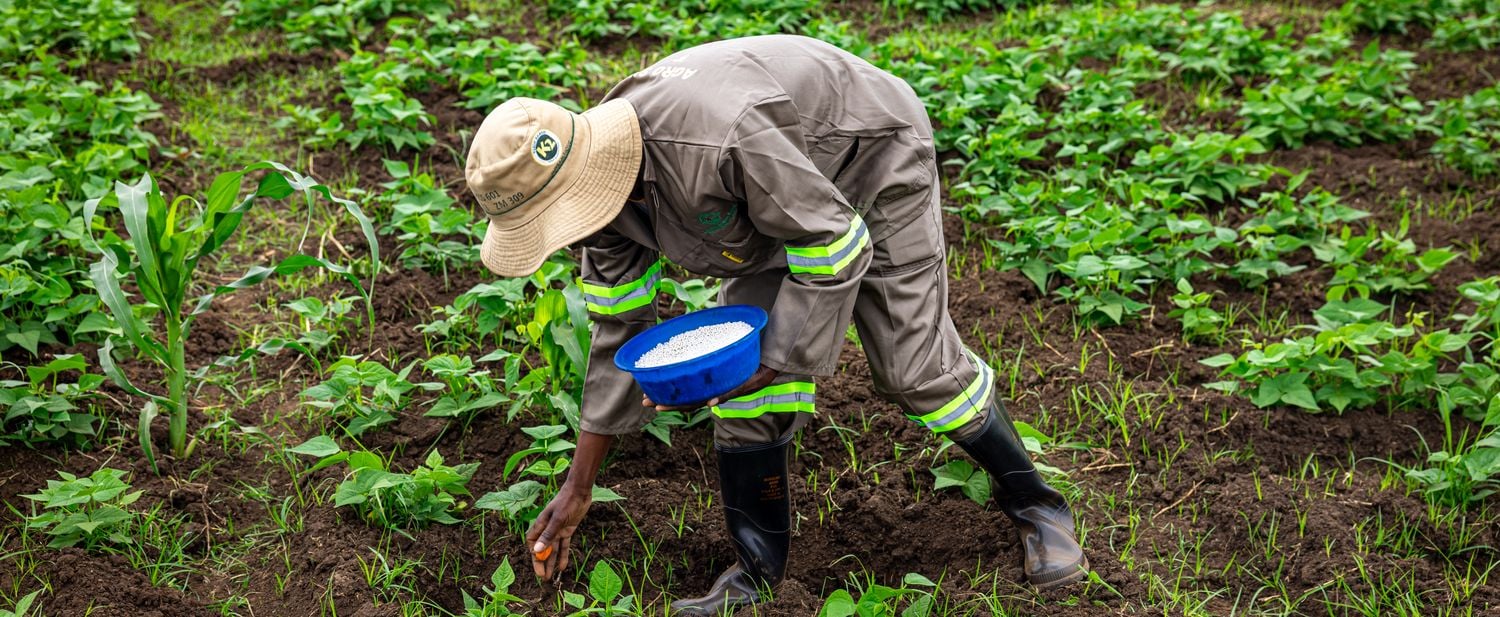
African leaders recognised this link at the 2024 Africa Fertilizer and Soil Health Summit in Nairobi, where they adopted the Africa Fertilizer and Soil Health Action Plan 2024-2034. Under the Nairobi Declaration, governments committed to tripling domestic production and distribution of certified-quality fertilisers by 2034 and doubling fertiliser trade between African countries through the African Continental Free Trade Area, which aims to make trade between African countries easier.
The commitments also include providing advice suited to local crops, soils and climatic conditions to at least 70% of smallholder farmers, and restoring soil health on at least 30% of degraded soils by 2034. The Declaration also calls for strengthening the AFFM and creating a Soil Health Fund within it to support research, innovation and training on fertiliser use and soil health.
Turning these commitments into results requires action across the industry. Governments and regional institutions can improve infrastructure and make cross-border trade easier. Development finance institutions and commercial banks can share lending risks, while fertiliser companies can improve distribution and create opportunities for local businesses. When farmers get the right fertiliser on time and have the advice to use it well, industrial investment can help them grow more food on healthier soils.
About the authors
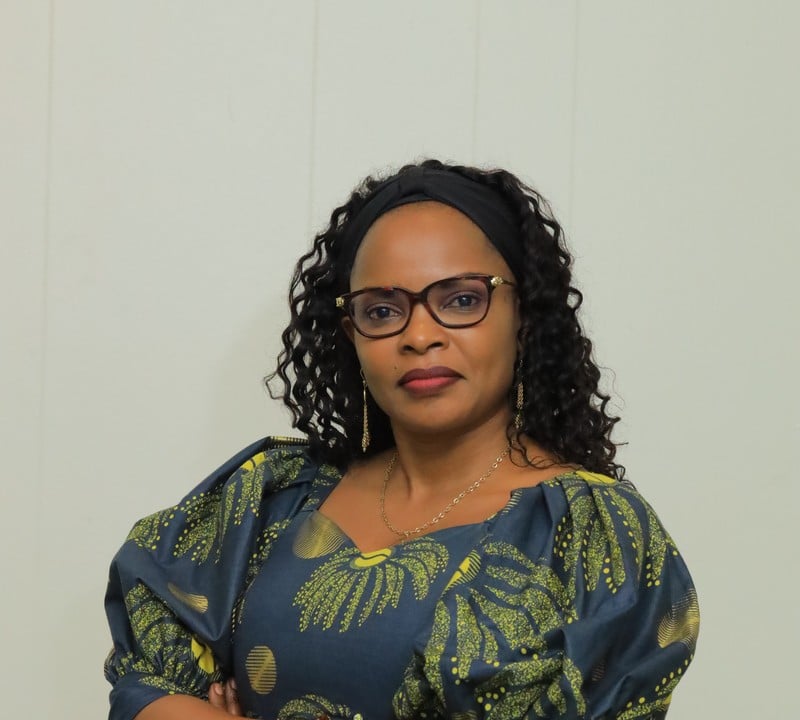
Marie Claire Kalihangabo leads the Africa Fertilizer Financing Mechanism at the African Development Bank Group, where she oversees efforts to expand access to finance across Africa’s fertiliser value chains and improve fertiliser availability for farmers.
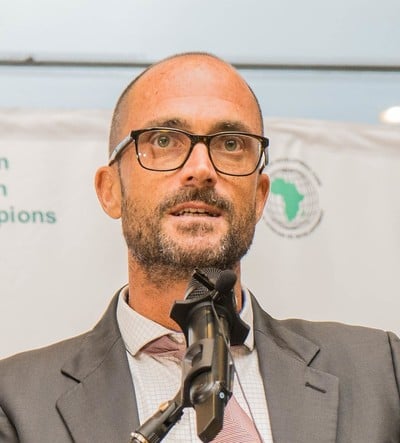
Thomas Viot is Chief Coordinator of the Industrial Flagship Programme in the Industrial and Trade Development Department at the African Development Bank Group. His work focuses on industrial development, enterprise growth and strengthening productive value chains across Africa.